
Why Smart Businesses Prioritize Transparent Cleaning Costs
Maintaining a clean, professional workspace isn’t just about appearances—it’s a critical component of employee health, client perception, and operational efficiency. Across industries, poorly managed facilities contribute to higher absenteeism, reduced productivity, and even reputational damage. Understanding commercial cleaning costs helps business leaders make informed decisions that balance hygiene standards with budget constraints. Whether managing an office in downtown Springfield, a medical facility in Branson, or a retail space in Nixa, location-specific factors like square footage, foot traffic, and sanitation requirements all influence service pricing. This guide breaks down the core elements that shape commercial cleaning expenses, from basic sweeping and mopping to advanced disinfection protocols and scheduled deep cleaning. You’ll learn how service frequency, specialized equipment, and eco-friendly product use impact overall investment. We’ll also explore common pricing models—per square foot, hourly rates, and customized bids—so you can compare options effectively. By the end, you’ll be equipped to evaluate quotes with confidence, avoid hidden fees, and select a service structure that aligns with your facility’s unique demands and long-term goals.
What Really Determines Your Commercial Cleaning Bill?
Understanding commercial cleaning costs starts with recognizing the key variables that shape pricing. While every business has unique needs, several consistent factors influence the final quote you’ll receive. Knowing these helps you budget accurately and compare services effectively, whether you’re managing an office in Springfield or a retail space in Branson.
First, square footage is a primary driver—larger spaces naturally require more time and resources. However, it’s not just about size. The type of facility plays a major role; medical offices and daycare centers often require disinfection protocols that increase labor and material costs compared to standard office environments.
Cleaning frequency is another crucial factor. Daily cleanings may reduce the time per visit due to less buildup, but weekly or biweekly services often come with higher per-visit costs to handle accumulated grime. Additionally, service scope matters significantly. A basic clean (emptying trash, surface wiping) costs less than deep cleaning tasks like floor stripping, high-dusting, or restroom sanitization.
Other considerations include access to the space, staff entry requirements, and the availability of cleaning supplies. Facilities with after-hours access or strict security protocols may incur slight premium charges. Finally, local labor rates in the Missouri region impact overall pricing, making it essential to request detailed, line-item proposals to understand exactly what you’re paying for.
7 Core Services Included in Standard Janitorial Cleaning Packages
When evaluating commercial cleaning costs, it’s essential to understand exactly what’s covered in typical janitorial service packages. Knowing the standard inclusions helps businesses in Springfield, MO, and similar markets make informed decisions and ensure they’re getting comprehensive care for their facilities.
- Daily Surface Sanitization
High-touch points like doorknobs, light switches, and shared electronics are disinfected daily to reduce the spread of germs. This is especially critical in open-plan offices and multi-tenant buildings where infection control is a priority. - Restroom Deep Cleaning
Restrooms receive meticulous attention, including toilet and urinal disinfection, sink and mirror cleaning, and replenishment of soap and paper supplies. Consistent restroom hygiene supports both employee well-being and professional image. - Floor Care and Maintenance
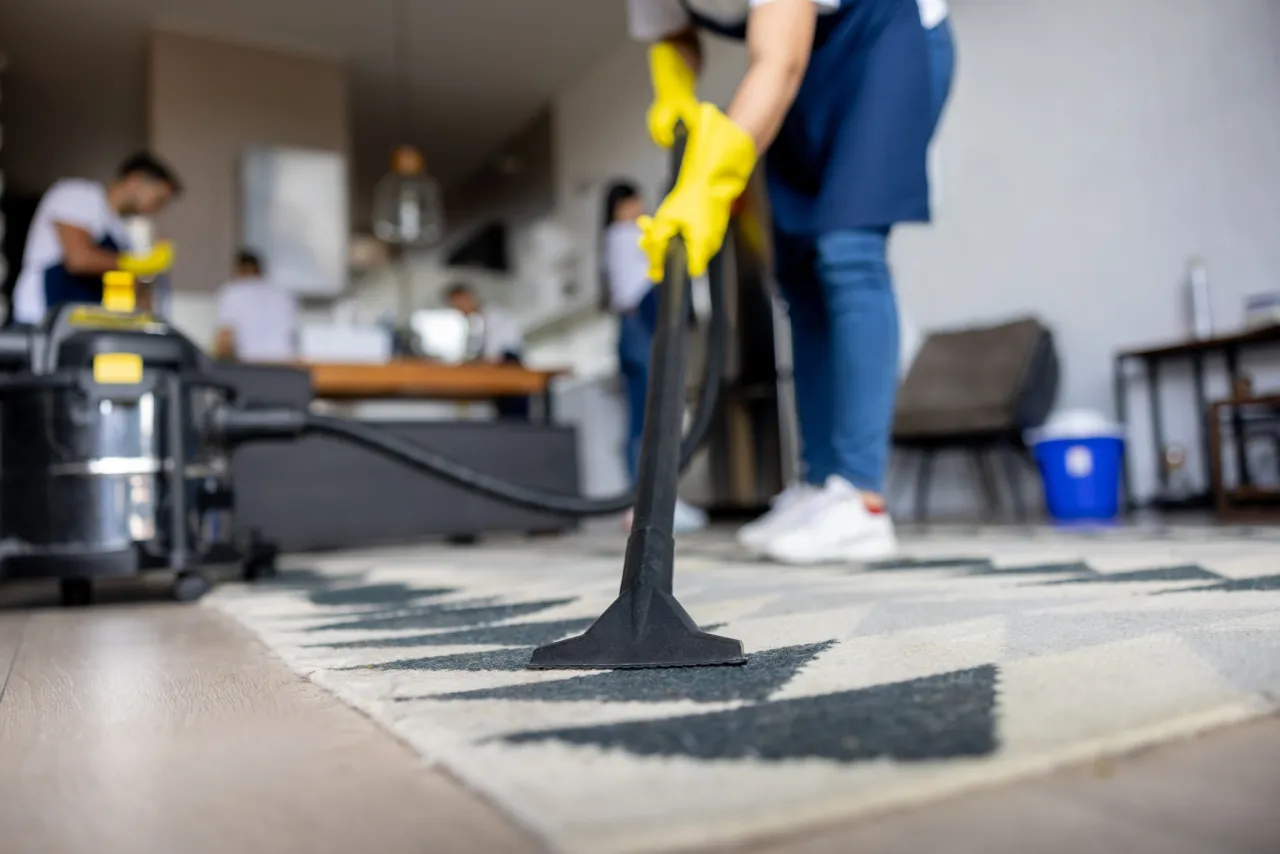
Vacuuming carpets, sweeping hard floors, and periodic mopping with appropriate cleaners keep surfaces looking their best. Some packages also include floor stripping, waxing, and buffing on a scheduled basis. - Trash Removal and Liner Replacement
Waste bins are emptied daily in all areas—from break rooms to private offices—and liners are replaced to prevent odors and contamination. - Dusting and Surface Wiping
Desks, shelves, window sills, and other horizontal surfaces are dusted and sanitized to minimize allergens and maintain a polished appearance. - Kitchen and Break Room Support
Common areas receive special attention, including countertop disinfection, sink cleaning, and appliance exterior wiping, promoting a healthier, more inviting environment. - Spot Cleaning and Stain Treatment
Technicians address spills, smudges, and stains promptly to maintain the facility’s aesthetic and prevent long-term damage to materials.
How to Compare Cleaning Service Quotes Like a Pro: A Step-by-Step Guide
When evaluating commercial cleaning costs, making an apples-to-apples comparison is crucial for finding the best value. Follow these steps to ensure you’re assessing quotes accurately and avoiding hidden fees.
- Request Detailed Scope Descriptions
Ask each provider to outline exactly what tasks are included—such as dusting, sanitizing high-touch surfaces, vacuuming, and restroom disinfection. Without a clear scope, pricing can’t be fairly compared. - Verify Frequency and Service Duration
Determine if quotes are based on the same cleaning frequency (daily, weekly, biweekly) and whether time allocations match your facility’s square footage and cleaning standards. A lower bid may cut corners on time. - Compare Pricing Models
Some companies charge flat monthly rates; others bill hourly or by square foot. Normalize the numbers—calculate cost per visit or per square foot—to streamline comparisons across providers. - Check for Additional Fees
Ask about extra charges for after-hours access, specialized equipment, weekend service, or waste disposal. These can significantly impact total commercial cleaning costs. - Assess Included Supplies and Equipment
Find out if quotes include eco-friendly cleaning agents, mops, vacuums, and PPE. Services that supply their own materials often deliver more consistent results and infection control.
Tip: Focus on total value—not just price—by weighing reliability, responsiveness, and cleaning thoroughness.
Your Top Commercial Cleaning Service Questions—Answered
How much does commercial cleaning typically cost?
Commercial cleaning costs vary based on location, square footage, frequency, and service scope. Most businesses pay a base rate per square foot, with additional charges for specialized tasks like disinfection or carpet cleaning. In Springfield and surrounding areas, standard daily or weekly office cleaning averages between $100–$300 per visit for mid-sized spaces. Larger facilities or those requiring overnight cleaning crews may see higher rates, but bundled service agreements often reduce long-term costs.
What’s included in a standard cleaning package?
Standard packages typically cover trash removal, restroom sanitation, vacuuming or mopping, dusting surfaces, and disinfecting high-touch points like door handles and light switches. Some providers offer tiered plans, allowing businesses to add services such as window cleaning, floor buffing, or biohazard cleanup based on industry needs.
Why do quotes vary so much between providers?
Pricing differences often reflect scope—not just square footage. One quote might include mat cleaning and restroom stocking, while another doesn’t. Always request a line-item breakdown to ensure fair comparisons.
How often should my business be cleaned?
Daily cleaning is ideal for high-traffic offices, medical facilities, or retail. Low-occupancy spaces may opt for twice-weekly service. Many businesses in the Branson and Ozarks region choose a hybrid model: light daily cleanings with deep cleans weekly.
Do I need a contract?
While some providers offer month-to-month plans, service agreements ensure scheduling consistency and often include cost savings. Always review termination clauses and service guarantees.
Can cleaning services help with infection control?
Yes—many providers offer electrostatic disinfection and EPA-approved sanitization protocols, especially important for healthcare, fitness centers, and schools.
How do I choose the right provider locally?
Look for licensed, insured companies with experience in your industry. Ask about staff training, green cleaning options, and whether they customize checklists to match your facility’s standards.
Make the Right Choice for Your Cleaning Needs
Understanding commercial cleaning costs and services is essential for maintaining a healthy, productive environment in any business setting. From breakroom sanitation to high-traffic floor maintenance, each aspect of a cleaning plan plays a role in overall operational efficiency. Factors like space size, frequency of service, and specialized needs—such as infection control or deep cleaning—directly influence pricing and service structure. By assessing your facility’s unique demands, you can avoid underpaying for inadequate service or overpaying for unnecessary extras.
To make an informed decision:
- Evaluate your space’s foot traffic and usage patterns
- Identify high-touch surfaces and sanitation priorities
- Compare service scopes, not just price points
- Consider green cleaning options for improved indoor air quality
- Request detailed breakdowns of what each package includes
Choosing the right commercial cleaning solution isn’t just about cost—it’s about consistency, reliability, and long-term value. A well-maintained workspace supports employee wellness, leaves a strong impression on clients, and reinforces professionalism across industries. Whether you manage a small office in Springfield or a multi-location operation across southwest Missouri, investing time in understanding your cleaning needs leads to smarter spending and better outcomes.
Take the next step: review your current cleaning plan, note any recurring issues, and reach out to discuss a customized service approach that fits your schedule and budget. Your clean, healthy workplace starts with informed choices.