
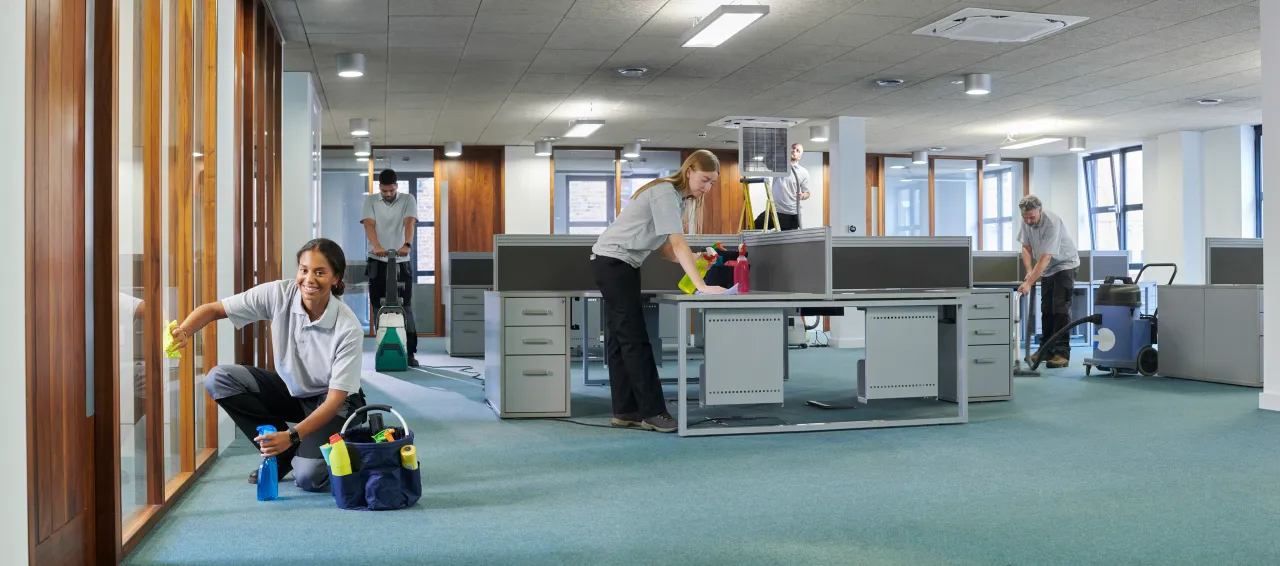
Why a Consistent Cleaning Schedule Matters More Than You Think
Did you know that high-touch office surfaces can harbor harmful pathogens for days without proper sanitation? In spaces where employees gather daily, maintaining a clean environment isn’t just about appearances—it’s a critical factor in promoting health, boosting productivity, and reducing absenteeism. A cluttered or unclean workspace can contribute to distractions, lower morale, and even impact client perceptions during in-person visits, especially in business districts across cities like Springfield and Branson where professional image matters.
This guide dives into the essential question: how often should offices be cleaned to ensure a safe, healthy, and efficient workplace? You’ll learn the difference between routine maintenance and deep cleaning, how traffic levels influence cleaning frequency, and practical strategies tailored to various office environments—from small startups to large corporate layouts. We’ll break down cleaning benchmarks by area, including reception zones, break rooms, restrooms, and private offices.
By the end, you’ll have a clear framework to assess your current cleaning plan and make informed decisions that support employee well-being and long-term business success—no matter where your office is located.
Restroom Hygiene: How Often Should High-Touch Surfaces Be Sanitized?
Maintaining clean restrooms is essential for workplace health, safety, and professional image—especially in high-traffic office environments. Restrooms should be cleaned and disinfected at least daily, with high-touch areas receiving even more frequent attention to minimize germ transmission and comply with standard sanitation guidelines.
Key zones that require special focus include:
- Door handles and push plates – sanitized multiple times per day
- Faucet handles and soap dispensers – cleaned every 2–3 hours in busy offices
- Toilet flush levers and stall locks – disinfected during each restroom sweep
- Paper towel and hand dryer controls – often overlooked but critical touchpoints
To meet industry sanitation standards, cleaning protocols should distinguish between cleaning (removing dirt and debris) and sanitizing (reducing germs to safe levels). Use EPA-registered disinfectants effective against common pathogens, and allow proper dwell time for maximum efficacy. In offices located in densely populated urban centers or shared professional buildings in Springfield, MO, and surrounding areas, increased cleaning frequency may be necessary during flu season or public health concerns.
For optimal results, establish a documented restroom cleaning schedule, train custodial staff on OSHA-recommended practices, and stock all stations with necessary supplies. A well-maintained restroom not only supports employee wellness but also creates a positive impression for clients and visitors.
Spotless Safety: Keeping Office Kitchens & Break Rooms Hygienic
Maintaining a clean office kitchen and break room isn’t just about appearances—it’s essential for health, hygiene, and employee satisfaction. High-traffic areas like these accumulate food debris, grease, and bacteria quickly, making a consistent cleaning schedule critical for infection control.
Start daily with wiping countertops, sanitizing sinks, and emptying trash to prevent odors and pests. Appliances like microwaves and refrigerators should be checked every day: remove spills immediately and clear expired food weekly to avoid cross-contamination. Coffee makers and soda fountains need regular descaling and filter replacements to function efficiently and stay germ-free.
For deep cleaning, schedule monthly maintenance on ovens, stovetops, and under-sink areas to eliminate built-up grime. Floors should be deep-cleaned weekly using appropriate commercial-grade solutions, especially in high-traffic zones in cities like Springfield or Branson where outdoor pollutants get tracked in.
Don’t overlook often-missed spots: cabinet handles, light switches, and饮水机 spigots harbor germs and require disinfecting multiple times per week. Implementing a checklist ensures no task is skipped and supports compliance with local health standards.
By following a structured cleaning regimen, businesses reduce the spread of illness, enhance workplace safety, and create a more inviting space for all employees.
Mastering Daily Desk and Workspace Sanitation
Maintaining a hygienic workspace isn’t just about appearance—it’s a critical factor in employee wellness and productivity. Shared surfaces and frequently touched electronics harbor bacteria and viruses that can contribute to absenteeism, especially during peak cold and flu seasons. Establishing a routine for sanitizing desks, phones, keyboards, and conference room tables helps reduce the spread of germs across office environments.
For optimal results, use EPA-registered disinfectants that are effective against common pathogens. Focus on high-touch areas at least once daily, with extra attention in communal zones such as break rooms and copy stations.
Key sanitation practices include:
- Wiping down keyboards, mice, and phones with disinfectant wipes daily
- Cleaning shared equipment like printers and coffee machines every shift
- Avoiding the use of generic cloths that can spread contaminants—opt for single-use wipes or launderable microfiber
- Encouraging staff to clear personal items from desks before cleaning crews arrive
In Springfield and other busy metro areas, where offices often operate on tight schedules, integrating smart sanitation habits into daily routines ensures safer, healthier workspaces. Whether your business operates in an open-plan layout or private offices, consistent attention to surface hygiene improves indoor air quality and supports overall environmental wellness. For long-term success, pair daily cleaning with professional deep cleaning services on a weekly or monthly basis.
Smart Floor Care Starts With the Right Routine
Maintaining clean, safe office floors requires a tailored approach based on both surface type and foot traffic. High-traffic areas like lobbies and hallways demand frequent attention, while private offices may need less intensive care. Understanding your flooring material is the first step to preventing premature wear and maintaining a professional appearance in Springfield and throughout Southwest Missouri.
Hard surfaces like tile, vinyl, and sealed concrete should be dry mopped daily and damp mopped 2–3 times per week in moderate-traffic zones. High-traffic zones may require daily wet mopping with a pH-neutral cleaner to avoid residue buildup. Grouted tile needs periodic deep cleaning to prevent dirt and microbial growth.
Carpeted areas benefit from vacuuming at least three times weekly in low-traffic spaces and daily in busier zones. Use a vacuum with a HEPA filter to improve indoor air quality. Spot cleaning should be done immediately, and professional extraction cleaning is recommended every 6–12 months depending on use.
For polished or hardwood floors, avoid excessive moisture. Regular dust mopping with microfiber cloths helps preserve the finish. Buffing and recoating may be needed annually in high-use areas. Always follow manufacturer guidelines to maintain warranties and prevent damage.
Common Questions About Office Cleaning Schedules and Health Standards
How often should high-traffic office areas be cleaned?
High-touch zones like lobbies, break rooms, and restrooms should be cleaned daily to reduce germ transmission. In locations such as Springfield or Joplin offices, where employee density is higher, sanitizing door handles, light switches, and shared appliances every 24 hours helps maintain health standards and prevent illness outbreaks.
What’s the difference between cleaning, disinfecting, and sanitizing?
Cleaning removes visible dirt and debris. Sanitizing reduces bacteria on surfaces to a safe level, while disinfecting eliminates nearly all pathogens. For spaces with frequent public access, a weekly disinfection protocol is recommended, especially on shared tech like phones and keyboards.
Do office cleaning needs change by season?
Yes. Allergy season increases dust and airborne particles, calling for more frequent dusting and HVAC filter changes. Winter months often require bi-weekly deep cleaning to manage germs from cold and flu exposure.
How can small offices maintain hygiene with limited staff?
Establish a cleaning checklist, assign responsibilities, and consider professional deep cleaning every 4–6 weeks to ensure standards aren’t compromised.
Is there a standard cleaning frequency for compliance?
While no universal mandate exists, OSHA and local health codes recommend routine cleaning aligned with occupancy levels. Offices undergoing inspections often benefit from documented cleaning logs and infection control records.
Keep Your Office Spotless: Key Takeaways and Next Steps
Maintaining a clean office isn’t just about appearances—it’s essential for health, productivity, and professional reputation. From high-touch surfaces like doorknobs and light switches needing daily sanitization to less-visible areas such as vents and ceiling fans that require attention quarterly, establishing a structured cleaning schedule makes all the difference. High-traffic zones like break rooms and restrooms should be serviced daily, while private offices and conference rooms benefit from thorough cleaning 2–3 times per week. Carpets and upholstery should be deep cleaned every 6–12 months to remove embedded allergens and maintain indoor air quality, especially in Springfield and other areas with seasonal pollen spikes.
To implement an effective routine, start by assessing your office layout, employee count, and foot traffic. Create a customized checklist that aligns cleaning frequency with risk levels and usage patterns. Assign responsibilities if using in-house staff, or vet third-party providers based on their adherence to industry standards and flexibility. Consistency is critical—use reminders or digital tools to track tasks and ensure accountability.
Ready to elevate your office environment? Review your current plan today and adjust based on these best practices. A cleaner workspace leads to healthier teams and a stronger bottom line.