
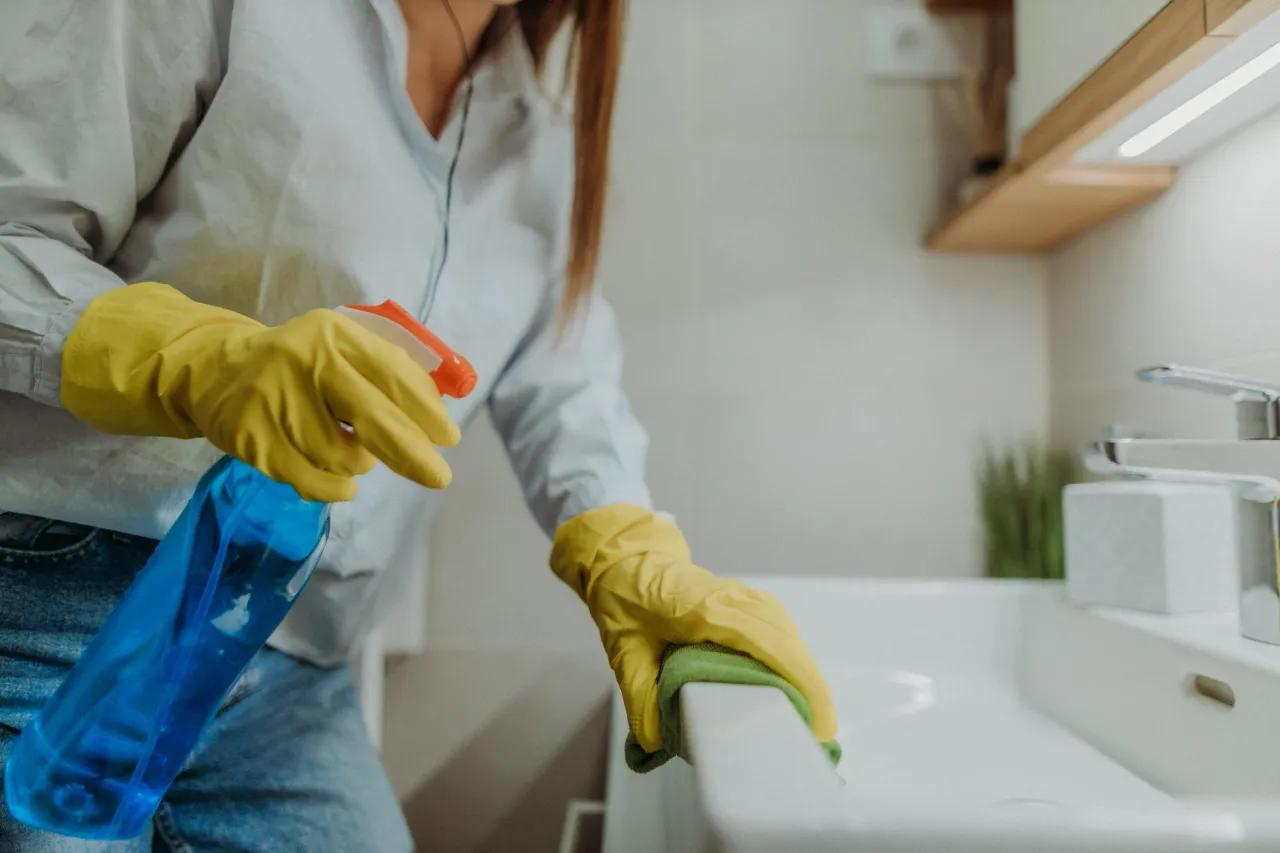
What Really Sets Home and Office Cleanings Apart?
Ever wonder why cleaning a corporate office feels worlds apart from refreshing a family home? While both aim for cleanliness, the how, what, and why behind residential and commercial cleaning differ drastically—impacting everything from cleaning agents used to the equipment rolled into action. Recognizing these distinctions isn’t just technical jargon; it’s essential for choosing the right service that matches your space’s unique demands.
This guide will break down core differences in cleaning frequency, scope of work, regulatory standards, and specialized tools used in each setting. You’ll learn how traffic patterns in a Springfield office building require high-traffic floor maintenance versus the spot-treating common in homes after a weekend bake-off. We’ll explore how infection control protocols in commercial spaces align with health guidelines, while residential cleaning often focuses on allergen reduction and personal preferences.
By the end, you’ll confidently identify which service model best supports your environment’s hygiene goals—whether you’re managing a quiet apartment in Branson or a bustling clinic in Nixa. Let’s clarify the confusion and help you make smarter, safer cleaning decisions.
Staffing Showdown: How Teams Differ in Home and Office Cleaning
When comparing residential and commercial cleaning operations, staffing requirements and team structures reveal key operational contrasts that impact service delivery. Residential cleaning typically involves smaller, flexible teams—often solo technicians or pairs—who move from one home to another with portable kits. These crews focus on personalized service, adapting to different layouts and homeowner preferences across Springfield, Branson, and surrounding neighborhoods.
Commercial cleaning, by contrast, runs on structured, larger teams working in coordinated shifts—often after hours in office buildings, medical facilities, or retail centers. You’ll typically see defined roles like team leads, floor technicians, restroom specialists, and inventory handlers working in unison under a supervisor. Shift-based scheduling ensures coverage for consistent nightly or weekly service across high-traffic zones.
Here’s how they compare:
- Team Size: Residential teams average 1–2 cleaners per job; commercial jobs often need 4+ per site.
- Specialization: Residential cleaners multitask; commercial staff often specialize (e.g., carpet, disinfection, floor care).
- Scheduling: Homes follow appointment-based calendars; commercial sites use recurring, shift-based models.
- Training Scope: Residential focuses on client interaction; commercial emphasizes safety protocols, chemical handling, and equipment mastery.
Understanding these differences helps clients choose the right cleaning model for their space and expectations.
Tools of the Trade: Cleaning Equipment Compared for Home and Business Environments
Understanding the right equipment can make or break a cleaning job—whether it’s a cozy Springfield bungalow or a bustling downtown office. Residential and commercial cleaning demand distinct tools tailored to their unique challenges, workloads, and standards.
Home cleaning typically relies on lightweight, multi-purpose equipment. Think handheld vacuums, microfiber cloths, and compact spray mops—ideal for stairs, tight corners, and delicate surfaces like hardwood floors. These tools prioritize ease of use and storage, perfect for routine dusting and spot cleaning.
Commercial cleaning, however, calls for heavy-duty machinery built for efficiency and endurance. You’ll commonly see backpack vacuums that cut cleaning time in large lobbies, industrial floor buffers for restoring shine to tile or marble, and high-efficiency auto-scrubbers used in warehouses or medical facilities. These systems are designed to cover high-traffic square footage quickly while maintaining sanitation standards.
Other key differences include:
- Filtration systems: Commercial units often include HEPA filters to meet indoor air quality demands in places like clinics or schools.
- Chemical dispensers: Businesses use proportional dispensers to ensure correct dilution, reducing waste and chemical exposure.
- Lift trucks and scaffolding: Needed for cleaning high ceilings, lights, or exterior glass in multi-story buildings.
Choosing the correct equipment ensures thorough results, longer-lasting finishes, and safer environments—for both residents and employees.
How Cleaning Checklists Vary Between Homes and Offices
Understanding the structure of cleaning checklists is key to maintaining hygiene and efficiency, whether in a residence or workplace. In residential settings, checklists tend to focus on lived-in areas like kitchens, bedrooms, and bathrooms, with an emphasis on personal comfort and routine maintenance. Tasks are generally less frequent—often weekly or biweekly—and include dusting, vacuuming, and surface wiping.
Commercial cleaning checklists, however, are far more detailed and standardized due to higher traffic and regulatory expectations. They break down responsibilities by zone—reception, restrooms, break rooms—and specify exact procedures, such as disinfecting high-touch points (doorknobs, light switches, elevator buttons) multiple times per day. Frequency is significantly higher: daily for common areas and post-use sanitation in medical or food-handling facilities.
Key differences include:
- Scope: Commercial checklists cover larger square footage and specialized zones
- Detail: Business checklists list exact products, dwell times, and PPE requirements
- Compliance: Commercial cleaning often aligns with OSHA or local health codes
Homeowners in Springfield and Branson benefit from simplified routines, while office managers in the Ozarks rely on structured, auditable processes to ensure workplace safety. Using a tailored checklist ensures no task is overlooked—critical for infection control in multi-user environments.
Navigating After-Hours Access, Safety Protocols, and Compliance Standards
Understanding the differences in access, safety, and compliance between residential and commercial cleaning is essential for maintaining secure, healthy environments. Commercial properties, especially in high-traffic areas like offices and medical facilities in Springfield or downtown Branson, often require after-hours cleaning to minimize disruption—typically between 6 PM and 6 AM. This necessitates secure key management, access control systems, and coordination with building security teams.
In contrast, residential cleaning usually occurs during daytime hours with direct homeowner access, reducing complexity in entry protocols. However, commercial cleaning demands adherence to strict safety regulations such as OSHA guidelines, proper handling of hazardous materials, and the use of Safety Data Sheets (SDS) for chemical transparency. Many commercial contracts also require proof of liability insurance and compliance certifications.
- Residential cleaning focuses on occupant comfort and basic sanitation standards.
- Commercial cleaning must meet industry-specific requirements—especially in healthcare, education, and food service sectors.
- After-hours procedures in commercial settings include sign-in logs, escort policies, and emergency protocols.
- Use of personal protective equipment (PPE) is more rigorously enforced in commercial environments.
Choosing the right cleaning approach means aligning with properties’ operational demands, regulatory responsibilities, and security expectations.
Frequently Asked Questions: Choosing the Right Cleaning Service
What’s the main difference between residential and commercial cleaning staffing?
Residential cleaning typically involves smaller teams or solo providers handling homes, while commercial contracts require larger, coordinated crews with defined roles. Commercial jobs often need supervisors, specialized technicians, and shift-based labor to cover after-hours work—especially in offices, medical facilities, or retail spaces in cities like Springfield or Ozark.
Do I need different equipment for home vs. business cleaning?
Yes. Residential cleaning uses lightweight vacuums, mops, and multi-purpose cleaners for smaller, more personalized spaces. Commercial cleaning relies on heavy-duty extractors, auto-scrubbers, commercial-grade disinfectants, and backpack vacuums designed for large floor areas, high-traffic zones, and regulated environments such as healthcare or hospitality.
How does scheduling differ between home and office cleaning?
Home cleanings are usually weekly or bi-weekly, scheduled during daytime hours. Commercial cleaning is often performed nightly or on weekends to avoid disrupting business operations. Frequency is based on foot traffic, industry standards, and space utilization.
Can the same service handle both residential and commercial jobs?
Many providers offer both, but expertise matters. Look for companies trained in OSHA compliance, infection control, and floor maintenance for commercial work, and those with attention to personal detail for homes.
Is deep cleaning different for homes and businesses?
Absolutely. Deep cleaning in homes focuses on kitchens, bathrooms, and baseboards. In commercial settings, it includes disinfecting high-touch surfaces, stripping and waxing floors, and HVAC vent cleaning to meet health regulations.
Making the Right Choice for Your Cleaning Needs
Understanding the distinction between residential and commercial cleaning is essential for maintaining a healthy, presentable, and compliant environment—whether at home or in the workplace. Residential cleaning emphasizes personalized care, focusing on comfort and routine upkeep in living spaces, while commercial cleaning demands a structured, scalable approach that aligns with health regulations, foot traffic, and operational hours—common concerns in Springfield, Branson, and surrounding Missouri areas.
Key differences lie in cleaning frequency, equipment used, and sanitization protocols. Homes benefit from flexible schedules and eco-friendly products, whereas offices, retail spaces, and medical facilities often require industrial-grade tools and after-hours service to minimize disruption.
To choose the right service:
- Assess your property’s size, usage, and specific needs
- Determine whether infection control, carpet maintenance, or high-touch surface disinfection is a priority
- Look for providers with experience in your property type and local compliance knowledge
Selecting the appropriate cleaning plan isn’t just about appearance—it’s about long-term hygiene, safety, and efficiency. Take the next step by reviewing service options that match your space’s demands and scheduling a walk-through to discuss tailored solutions. Your clean space starts with the right strategy.